 Plant technology
  Fresh produce
  Hatchery solutions
  Warehouse & production logistics
  Software integration
 nl
nl en
en All news


The New Era of Plant Breeding: Where Genomics Meets Automation
by Suzane Pols – Teamlead Researcher at Viscon Plant Technology
Recently, something really exciting for all European agriculturists happened – the European Parliamentvoted and gave itsfinal approval of the new regulatory framework for New Genomic Techniques (NGTs). This marks a historic shift in European agricultural policy – a shift that also on a personal level excited and inspired me. For me, it felt like a key moment for agriculture to celebrate, as it replaceswhat was often regarded as an outdated one-size-fits-all policy with a more science-based and proportionate framework.

It is expected that with the new policy, there will be the space to accelerate innovation while still maintaining the high standards of safety and transparency characteristic of the European Union. The legislation will help support advances in climate-resilient crops, disease resistance, sustainable farming, improved nutrition, and precision plant breeding. Beyond these scientific and societal benefits, it also strengthens Europe’s ability to attract investment, retain talent, and remain globally competitive in agricultural innovation. For those of us working directly in plant science, these opportunities are not merely theoretical – they directly and practically address challenges that we encounter every day in our efforts to develop resilient and sustainable agricultural systems.
Agriculture must be able to respond rapidly to climate change, emerging diseases, and shifting consumer demands if we hope to ensure food security for future generations.
But what does this mean for plant breeding companies in practice?
As many European companies have been hesitant to invest heavily in CRISPR and other precision breeding technologies because of uncertainty around whether resulting products would face GMO-level regulation, a shift is now expected. With the regulatory predictability the new regulation provides, investors can now comfortably choose to invest and expand in the resources required to implement gene editing into their R&D processes. Ultimately, this provides companies a realistic route to commercialization of newly engineered elite genetics
What role do we see automation playing in this shift?
That said, this will inevitably increase the number of varieties the companies are able to develop, leading to increased need to process larger populations, collect more data, and make decisions at unprecedented speed. This is where, I am excited to say, automation becomes critical.
Modern breeding is rapidly evolving into a highly data-driven discipline. Technologies such as gene editing allow breeders to introduce targeted improvements faster than ever before, but the real challenge will lie in identifying, validating, propagating, and commercializing the most promising varieties. Success increasingly depends on the ability to manage vast amounts of biological material and performance data efficiently.
Through intelligent automation, robotics, AI-driven analytics, and digital workflows, breeding companies can increase throughput, improve accuracy, and shorten development cycles. I firmly believe that automation represents one of the greatest opportunities for the breeding industry. By enabling unprecedented scale, speed, and precision, it will allow us to accelerate innovation and equip agriculture to address the challenges of climate change, food security, and sustainability.

Let's get in touch
 Send me an email
  Contact me via linkedin
 Viscon as your automation partner
Backed by more than 80 years of automation expertise and a strong foundation in plant science, Viscon is uniquely positioned to support the transformation of modern plant breeding. While New Genomic Techniques are accelerating biological innovation, I have witnessed firsthand how Viscon is helping to accelerate the journey from discovery to impact.
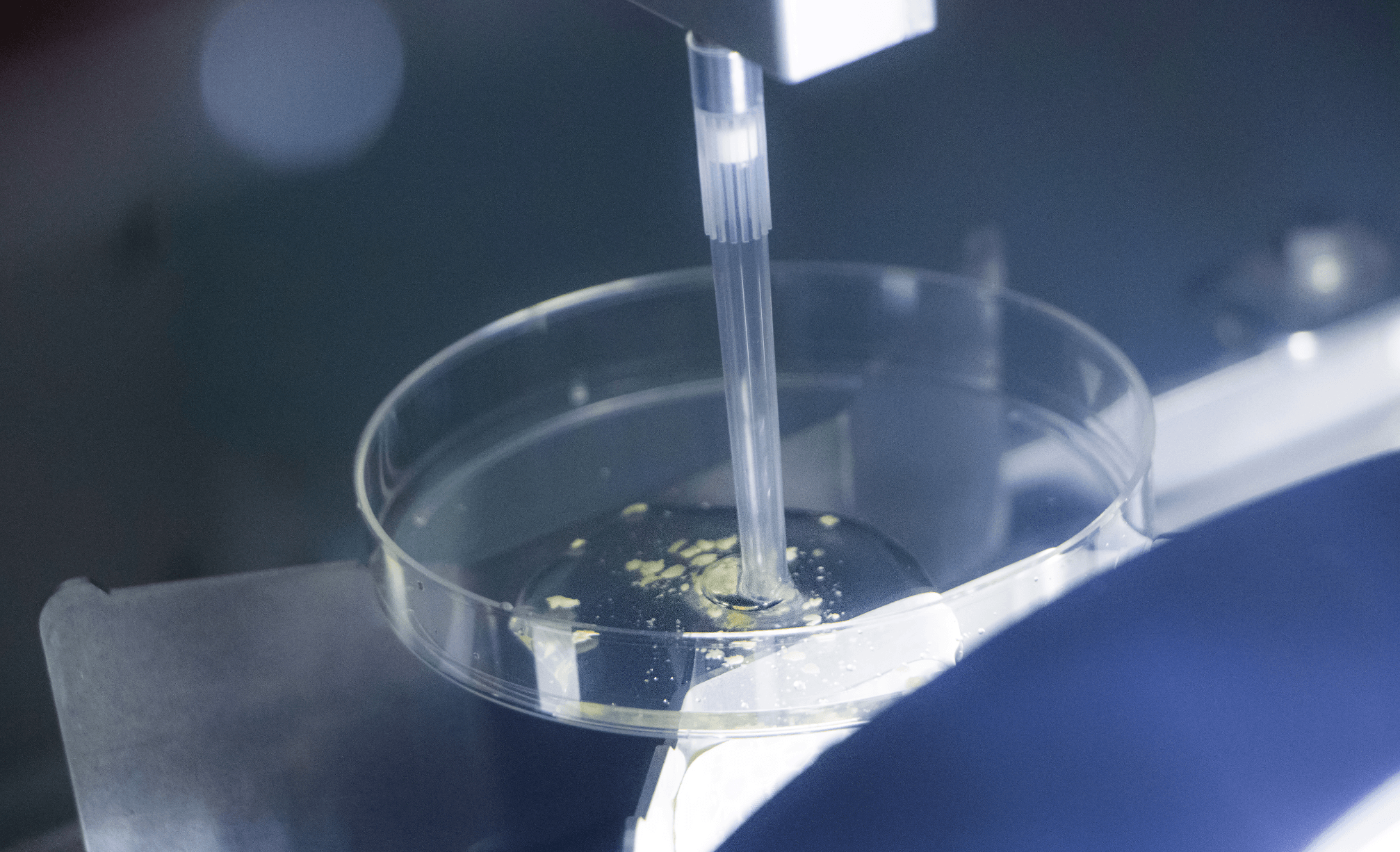
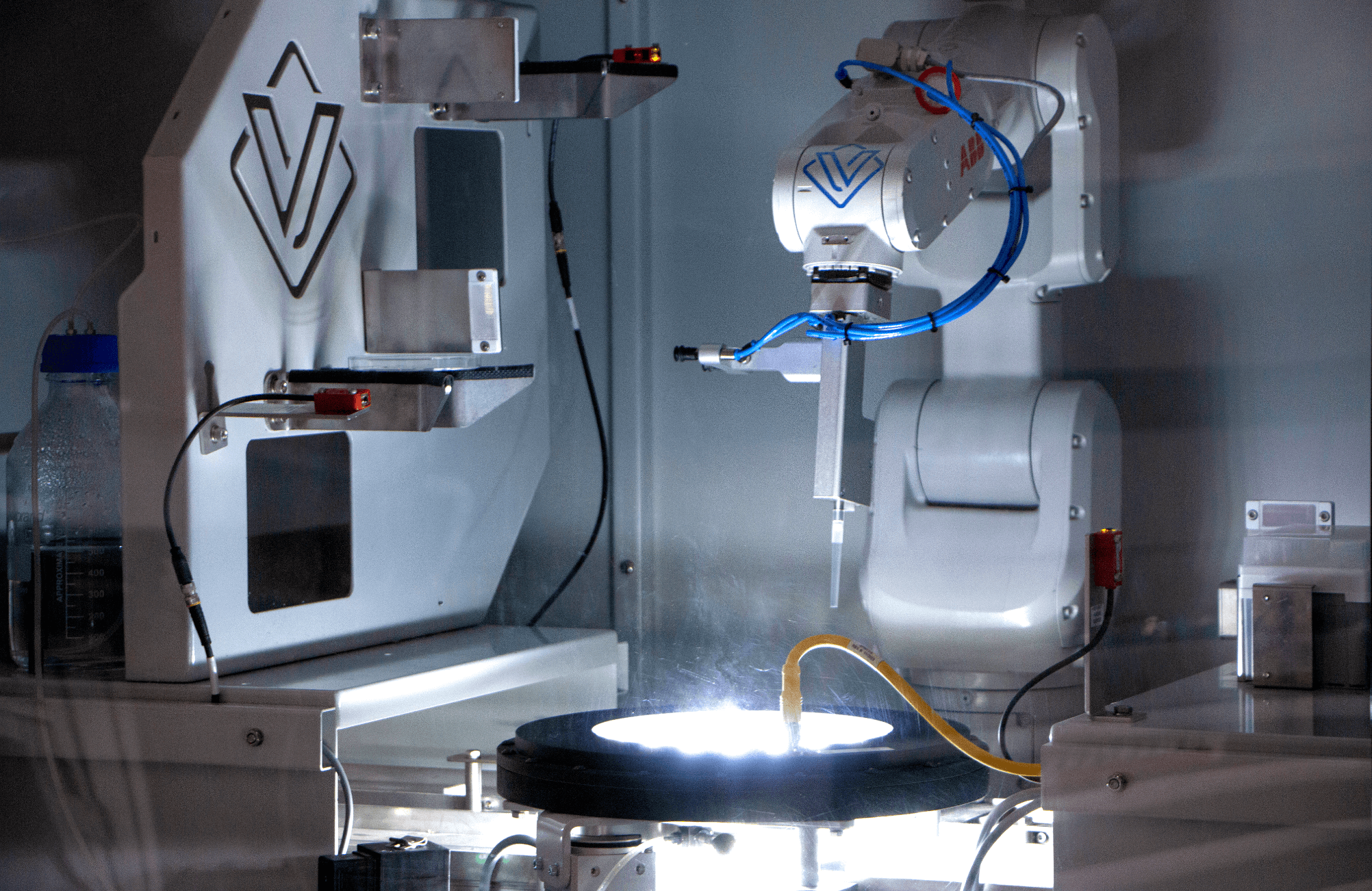
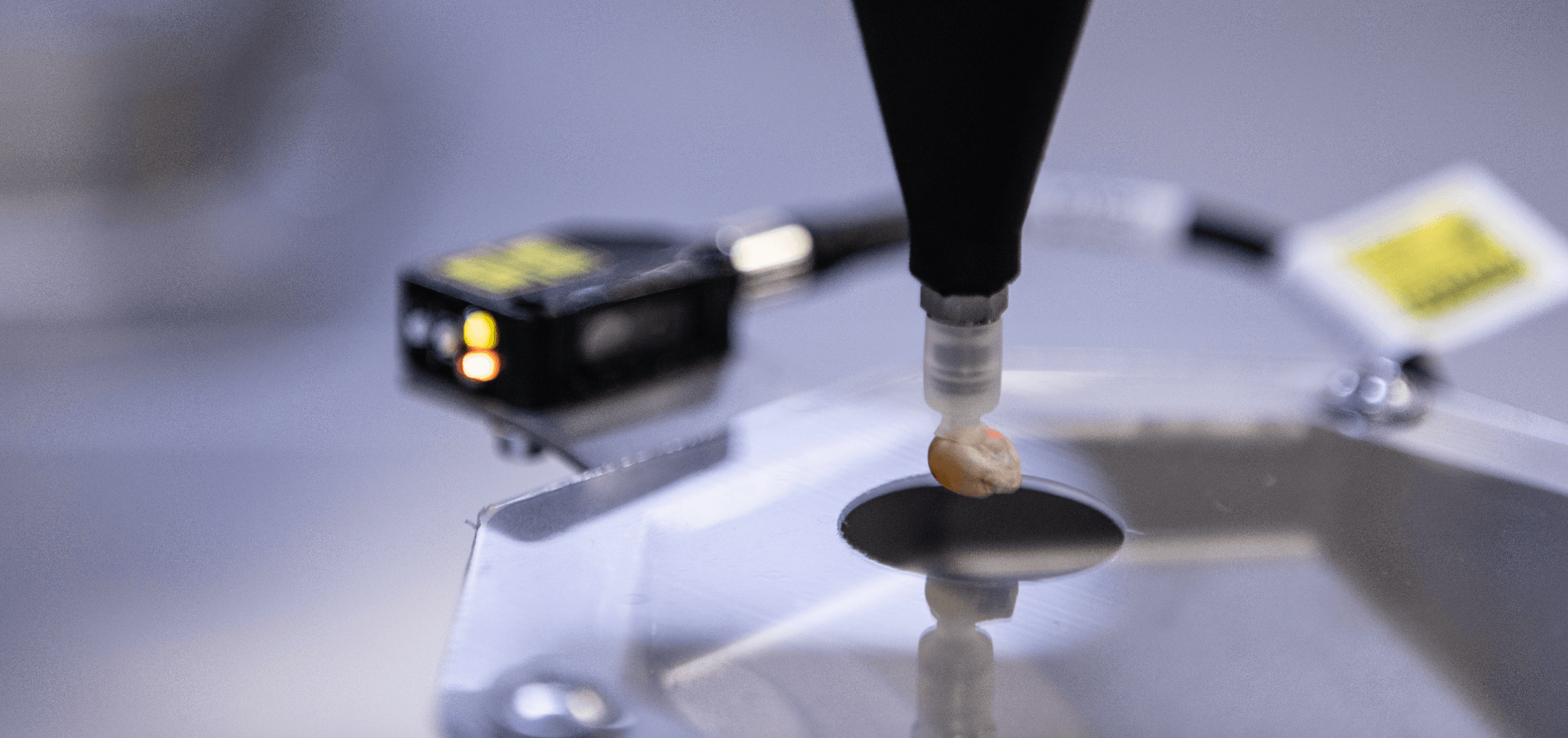
Through a combination of advanced automation, AI-driven plant analytics, robotic handling systems, and end-to-end traceability, Viscon empowers breeders to operate at greater scale, generate deeper insights, and bring the next generation of resilient crop varieties to market more efficiently. A perfect example of this would be the VitroFlow Select which elegantly combines AI-powered image analysis, automated embryo selection, robotic transfer, and full traceability in a sterile processing environment. Rather than relying on highly trained technicians to manually evaluate and move embryos, the system uses morphology-based selection to identify viable specimens and transfer them with high precision into cultivation trays. This increases consistency, reduces human variation, and enables breeders to process hundreds of samples per hour.
To conclude:
It is my personal view that the future of breeding will not be defined solely by the genetic breakthroughs we achieve, but by our ability to scale them. In a world facing unprecedented pressures from climate change, population growth, and food security challenges, automation is no longer a competitive advantage – it is an essential enabler of progress. Those who successfully combine cutting-edge biology with intelligent automation will be the ones who deliver the resilient crops and sustainable agricultural systems that future generations depend on.
About Suzane Pols
As Plant Scientist and Team Lead Plant Research at Viscon Plant Technology, Suzane Pols is passionate about combining biological expertise with technological innovation. Her work focuses on translating the needs of growers into smart, automated solutions that support healthier plants and more efficient cultivation processes. By connecting plant science, robotics, and data-driven research, Suzane plays a key role in shaping the future of sustainable horticulture.